


Which Places and Activities to Include in a Tourist Offering
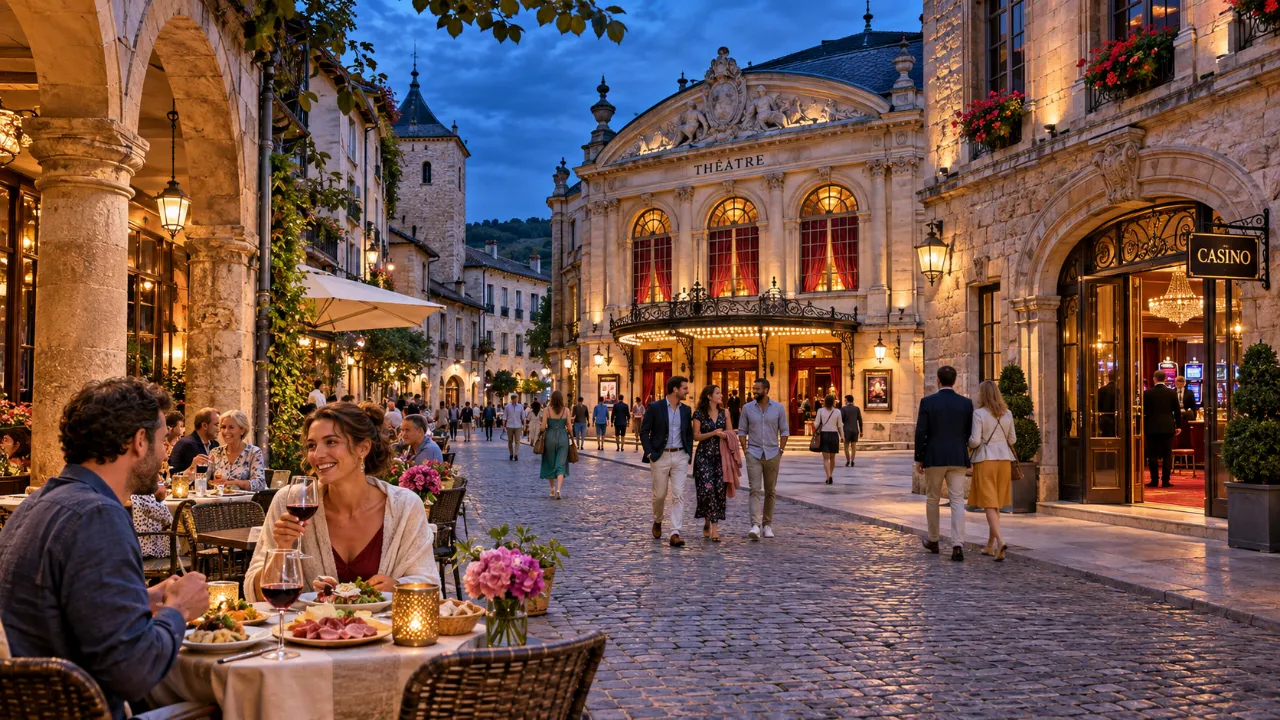
To create a well-rounded experience, it is worth bringing together places that reveal different aspects of European history and culture. A tourist offering can combine visits to historic landmarks with gastronomic activities, performances and leisure venues. This allows visitors to enjoy both cultural discoveries and entertainment without having to choose between them. Such a combination responds to growing interest in authentic, engaging experiences that go beyond traditional sightseeing.
The main elements to include in this type of tourist offering are:
- Historic centres and landmarks: castles, palaces, medieval squares, churches and iconic buildings that reflect the development of European cities.
- Museums and cultural venues: art galleries, exhibitions, historic theatres and institutions dedicated to local traditions.
- Gastronomic and wine tourism routes: wineries, traditional markets, regional restaurants and tastings of local products.
- Festivals and celebrations: fairs, concerts, historical reenactments and traditional festivals that offer insight into regional culture.
- Historic spas and wellness centres: establishments that combine architecture, relaxation and European wellness traditions.
- Casinos and gaming venues: particularly those housed in historic buildings or integrated into tourist complexes featuring restaurants, hotels and entertainment programmes.
- Modern entertainment venues: concert halls, themed events and nightlife options that complement cultural activities.
Historic casinos deserve particular attention because they are part of the entertainment tradition in some European cities. In certain spa towns, for example, they emerged alongside prestigious hotels, gardens, promenades and theatres, offering additional leisure options to visitors in the 18th and 19th centuries. They can therefore be included in tourist itineraries not only as gaming venues but also as landmarks reflecting the social and architectural history of the destination.
How to Combine Activities and Select the Right Places
The first criterion to consider is thematic and geographical coherence. The locations included in the same itinerary should share a historical, cultural or landscape connection, or be close enough to visit conveniently. For example, a stay in a spa town could combine a tour of its historic architecture, a visit to a thermal spa, dinner featuring regional specialities and an evening at a traditional casino.
It is also important to tailor the selection to visitors' interests and the length of their stay. A weekend itinerary might focus on the historic centre, regional cuisine and one or two entertainment venues. A longer holiday would allow visitors to add trips to wineries, nearby villages, museums or festivals. Variety should enrich the experience without turning the itinerary into an exhausting sequence of activities.
Finally, every venue should meet certain standards of quality, accessibility and respect for local heritage. When it comes to casinos, it is essential to ensure that they operate in accordance with the destination's laws, enforce age restrictions and promote responsible gambling. Entertainment should complement the overall tourist experience rather than overshadow the cultural identity of the destination.
Conclusion
Entertainment tourism offers a new way to discover Europe by combining historic heritage with gastronomy, traditions and contemporary leisure activities. Casinos, particularly those with a long-standing history in certain destinations, can enrich this experience when integrated thoughtfully, responsibly and in a way that respects the character of each city.

